










Photos By Vishnu Nair
“Friendsgiving” is most commonly referred to as a gathering of friends around the time of Thanksgiving, one of the defining holidays of American culture.
Though the Thanksgiving tradition commemorates a historical relationship that now is widely considered the genocide of Native Americans, the tradition of gathering and giving thanks retains an important place in American society. And the custom of Friendsgiving extends that thanks to a group beyond family that often makes up for what family can potentially lack: friends.
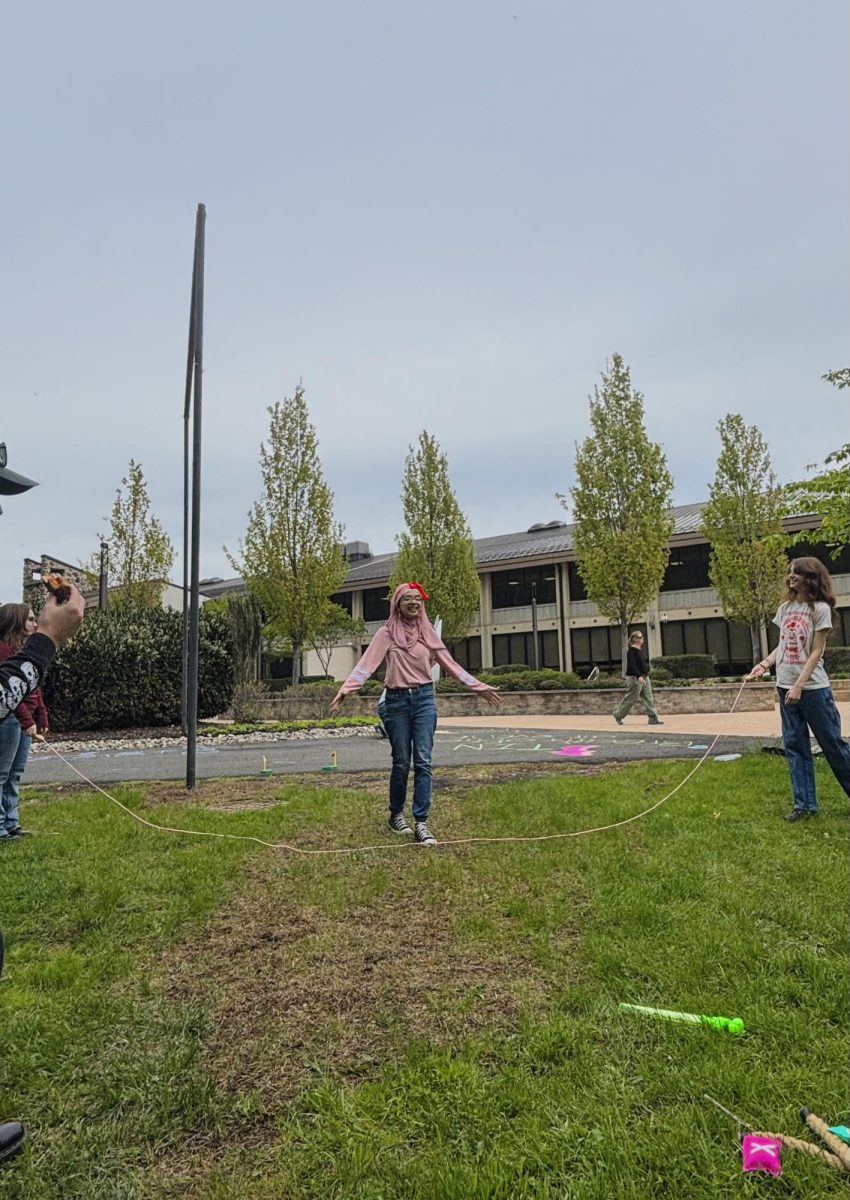
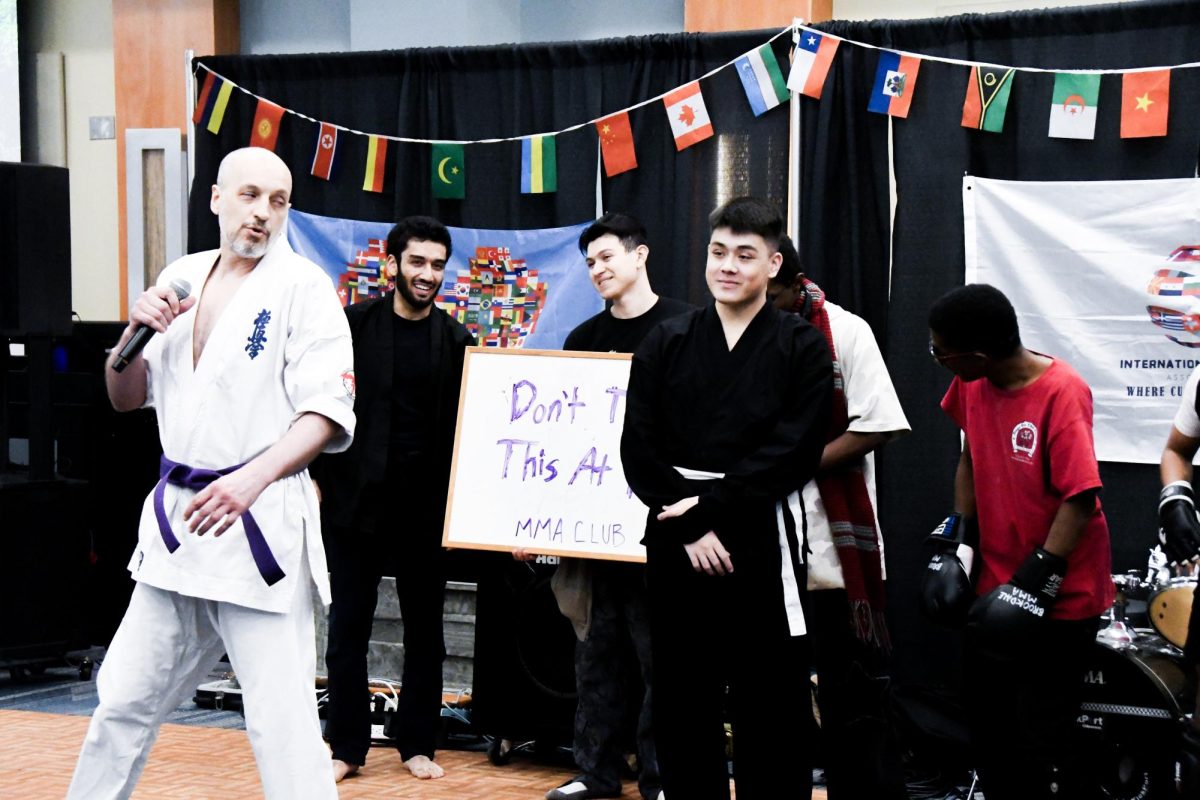
In this sentiment, TIN (The Innovation Network) organized an event in the Student Life Center Nov. 18 meant to bring groups together that might not typically be found in the same place, at the same time. The open-to-all party drew more than 150 students who not only came for the free food, many joined in games and conversation.
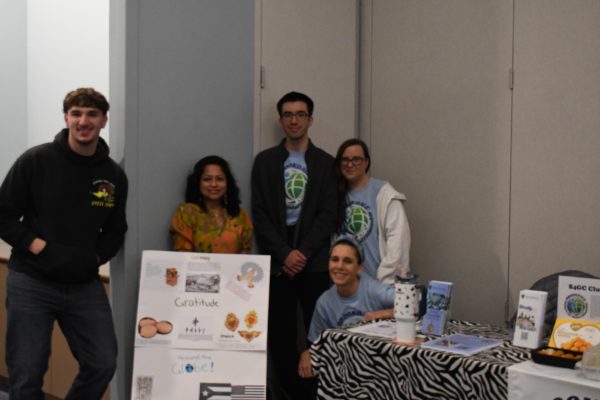 The event was truly a breath of fresh air, giving clubs an opportunity to make themselves known to the general student population. Overall, Friendsgiving served as a reminder of the community of clubs that exists on our campus and encouraged more students to take part in something beyond their academic lives.
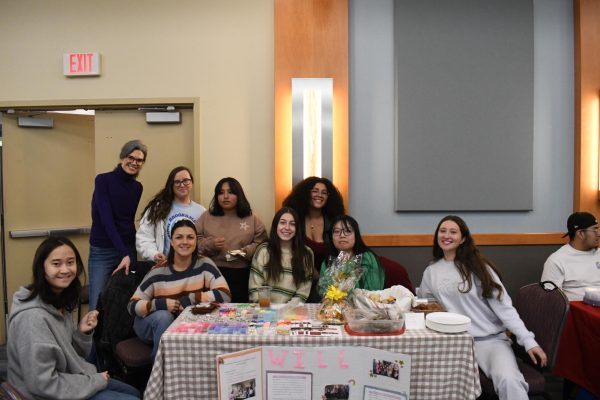
More than 15 different clubs worked together to make the college hour gathering a success. Among them were event cosponsors WILL (Women in Leadership and Learning), the International Students Association, and Students for Global Citizenship.
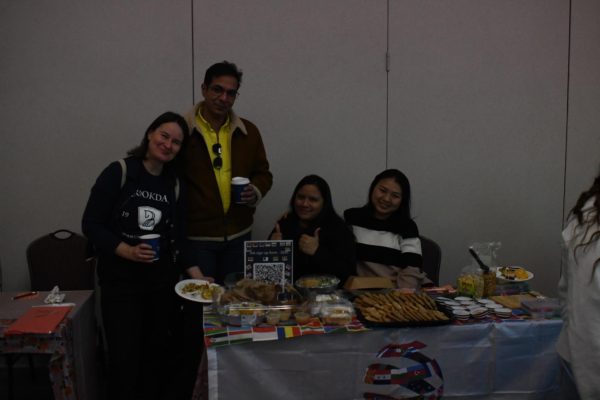
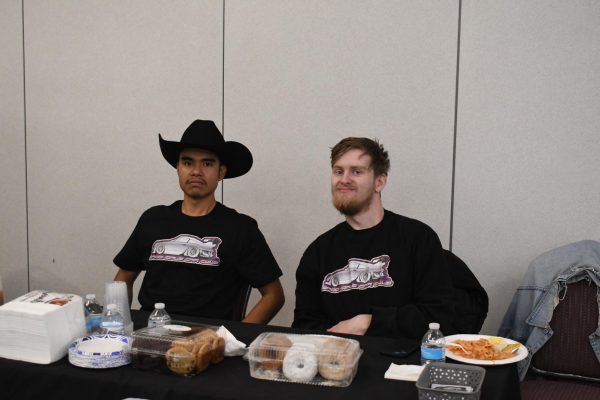
Other participating clubs included PTK (Phi Theta Kappa), Car Club, History and Political Science Club, Gamers Club, SOL (Society of Latinos), STEM Student Lectures & Research Club and more.
TIN and a few other clubs shared club funds to provide pizza, pasta and some dessert. While club members made and shared a variety of homemade treats including tricolore. Many clubs created ethnic dishes and various pastries, desserts, and salads and offered them to students and staff who stopped by their table.
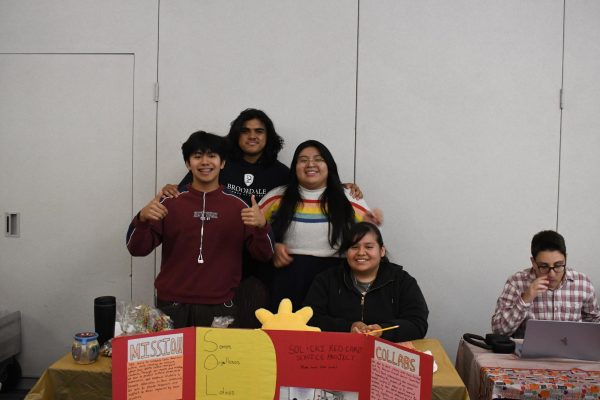 The gaming club provided a chance to challenge one another on Nintendo Switch games connected to a projector while others participated in games like giant Jenga, Connect 4 and various card games.
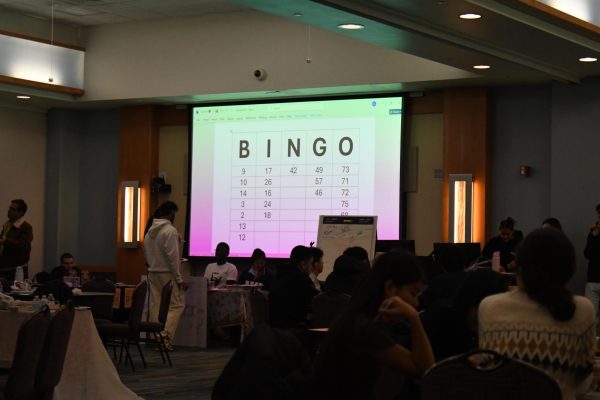
The event culminated in the hosts, the public relations team for The Innovation Network, holding a game of Bingo, offering prizes ranging from wallet keychains to Bluetooth headphones. The TIN public relations team consisted of Jonathan Lewis, Erika Weston, Julia Running and Faheem Moore.
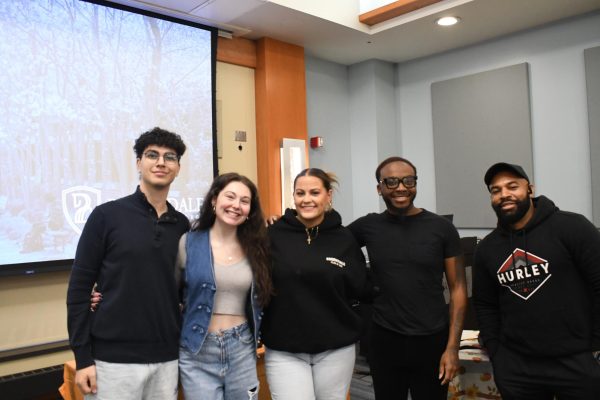 Here’s what event organizers had to say about the event.
What was the hardest part of publicizing the event? What were some of the measures you took to make sure you effectively spread the word?
The hardest part about publicizing the event was talking to multiple groups trying to make sure our event lined up with their schedule. Making fliers to post and hoping everyone saw it and even putting fliers around campus in the “right” spot, praying people would see them.
What was the main goal of the event? What did you aim to accomplish by hosting?
The main goal of the Friendsgiving and the included food drive was to bring our community together in a spirit of gratitude, connection and service. By hosting a shared meal and collecting food donations, we aimed to create a warm and welcoming space where students, clubs, and organizations can bond while contributing to a meaningful cause. At its heart, this event is about using togetherness to make a positive impact.
What was the reason for choosing Connect 4 and Jenga as the games?
The Connect and Jenga was a group decision. It was hard trying to find the perfect game to incorporate into the event so we all thought a big Jenga and Connect 4 would be perfect. Everyone loves Connect 4.
How did you all feel about the turnout? Did it go as well as you had expected? Did you feel you accomplished what you had intended too?
We believe the turnout was better than what we anticipated. When people started pouring in it truly was a big hooray moment for us. This is all of our first event that we hosted, so this was a big accomplishment for us.
What is something you learned from the experience – whether it was about a club, about culture, or about how to run and publicize an event in general?
The one thing we all agreed on from this experience was to put MORE time into other things for the event ( ex: spend less time on the Bingo portion of the event ). We could have got people to sign in as soon as they came to the event so it could’ve felt more organized.