















“We’re not addressing the concerns that we should,” said English Professor Kelsey Maki, who serves as the S4GC (Students for Global Citizenship) club adviser and is the global citizenship distinction coordinator.
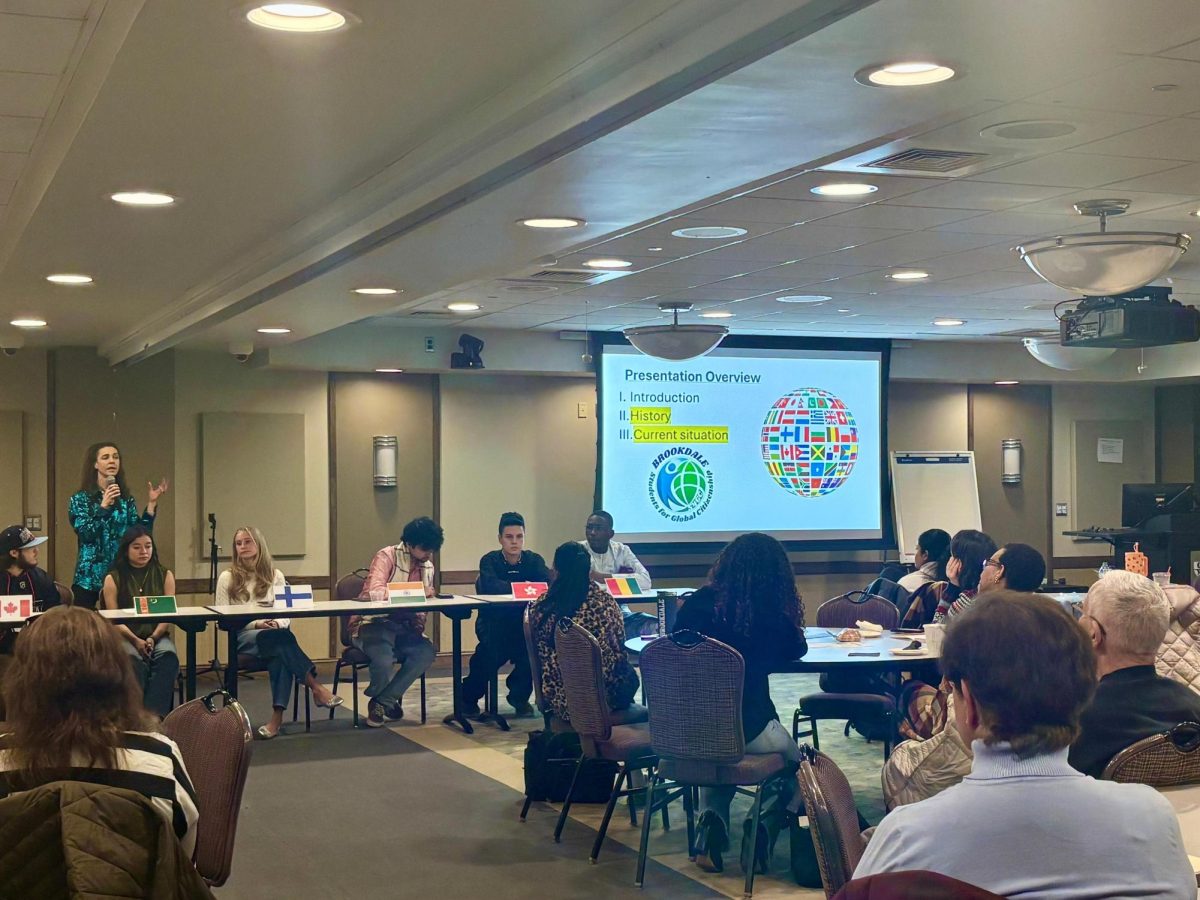
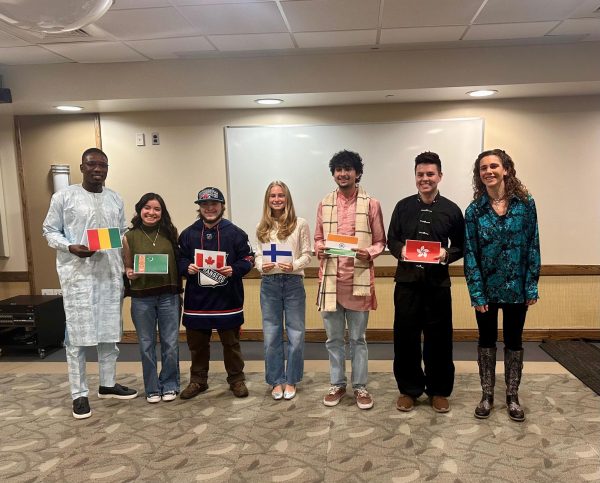
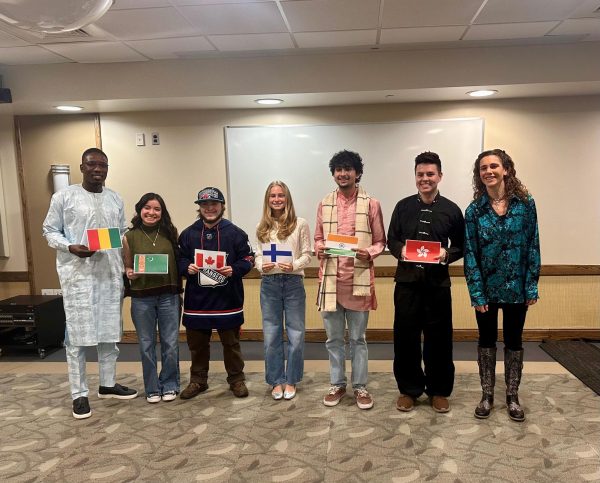
S4GC held a student-led panel discussion at BCC’s Student Life Center, Twin Lights, Feb. 19, a Civility Week event titled “Degrees of Democracy: Representative Governance around the Globe.”
The panel compared and contrasted various systems of government around the world, tackling their history and current state to compare to our own democracy here in the U.S.
“Our mission is to raise awareness of diverse peoples and inequities and to promote actions toward equities, so I think this panel did a lot to show the imbalances, and quite frankly, the atrocities in some countries,” Maki said. “I thought it was very important to give an international perspective to contextualize what’s happening in the U.S. today.”
Maki stresses that student voices matter – people’s voices matter – that awareness and education on the current issues we face affect all of us as one society; and coming together even in our local community rather than remaining silent can make a significant impact and difference.
The student panelists led a post presentation discussion with questions aimed at inspiring critical thinking. Attendees grouped together at round tables around the room and began to openly talk about and analyze different ways people can remain vigilant and work toward building a more politically literate, informed, engaged, and civic society.
 “As the coordinator of global citizenship distinction, the idea behind that is that we are all citizens of the world, and to act as a global citizen means to care about more than just your immediate location because we live in an interconnected world,” Maki said.
“I do think that we need to be constantly vigilant to ensure that everybody has representation, particularly our most marginalized citizens, and I would argue that the notion of citizenship has been weaponized and it is a much more fluid term.”
Through events like these students “gain a lot of general knowledge. It makes you more aware of what’s going on around the world and that’s great because then you can not be in your own bubble. You can be responsible as a citizen and be better as a human being in general,” said Carla Javier, a 25-year-old early childhood education major from Morganville.
During the breakout session, students and educators alike engaged in interactive conversations driving with empathy, communicating across differences, and topics on how we can make a change. Javier was just one of the students inspired to support the club’s mission and connect to the panel.
“It was really enlightening (this opportunity) to learn more about my father’s home land, but at the same time to apply it to our country to see the direction we’re headed, the authoritarian kind of effects they have in Hong Kong, and to make sure we don’t repeat the process here,” said Daniel Ying, a 26-year-old psychology major from Freehold, who served on the student panel.
Ying is passionate spreading awareness. He and his fellow panelists delivered their presentations to convey the message that within a democracy, it is crucial to stand up for our rights and legal freedoms, to have voice, because voice is power.
“I think we apply it to our country, where even though sometimes there’s kind of a tendency of ‘let’s not be hysterical of what’s going on’, at the same time, that’s often what’s said before a lot of these regimes end up in a tragic state,” Ying said. “I hope that people here will be more cognizant of what’s going on today so that way we don’t wait until it’s too late.”
The panel was a huge success for Civility Week and the S4GC club. There was high turnout, engagement, and significant discussion throughout the session. S4GC club welcomes anyone interested in social justice and human rights issues to join the club. Meetings are held from noon to 1 p.m. in LAH 313 on select Thursdays.
“I think it’s so important to get to hear what our students have to say. I think this panel shows just how insightful and articulate our students are,” Maki said. “The more opportunities we can give to give them a platform, the better, because we really need to hear from our students. This is an institution that is created for students, so the student voice should really be at the center of it, that would be truly democratic to me.”


KCM • Mar 18, 2026 at 6:09 AM
Thank you for this well-written article on an important topic!